Tree Health Inspection in Georgia
Catch disease, pests, root decay, and structural defects early. Our certified arborists inspect every tree from canopy to soil and give you a straight answer: treat it, support it, watch it, or remove it.
What it is
A Real Diagnosis, Not a Drive-By Opinion
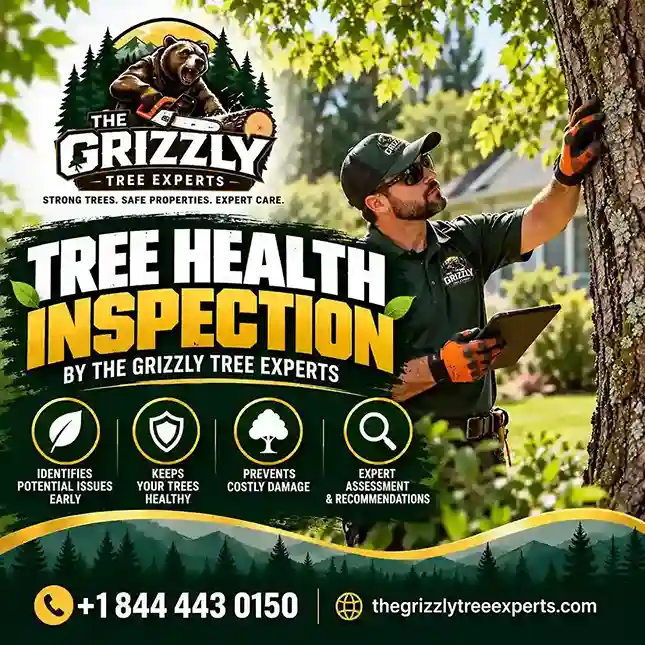
A tree health inspection is a close, hands-on evaluation of a tree's canopy, trunk, root flare, and the soil around it. A trained arborist looks for the early signals that a tree is stressed, infected, infested, or structurally unsound, often long before the problem is obvious from the driveway.
Georgia trees face a tough combination of heavy red clay, summer drought swings, severe thunderstorms and tropical remnants, and constant development. That mix quietly weakens roots and sets up sudden failures. An inspection tells you which trees are healthy assets and which are liabilities, so you can spend money where it actually protects your home.
Grizzly Tree Experts serves homeowners, HOAs, property managers, and businesses from Woodstock and Atlanta to Savannah, Columbus, and the north Georgia foothills.
☎ Book a Free EstimateOur inspection
What Our Arborists Check on Every Tree
We do not glance at leaves and guess. Each inspection follows the same top-to-bottom checklist so nothing hidden gets missed.
Canopy & Foliage
Leaf size, color, density, dieback, early fall color, and epicormic sprouts. Thinning or off-color crowns often point to root or vascular trouble.
Trunk & Bark
Cracks, cankers, seams, wounds, cavities, oozing, and fungal conks. We also look for bark loosening and boring-insect exit holes.
Branch Structure
Included bark, codominant stems, weak unions, overextended limbs, and hangers. These are the defects that drop limbs on roofs and cars.
Root Flare & Soil
Girdling roots, buried flare, mounded mulch, compaction, grade changes, trenching damage, and root plate lift after wet storms.
Pests & Pathogens
Bark beetles, scale, borers, adelgids, root rots, leaf scorch, and cankers. We identify the culprit so treatment is targeted, not guesswork.
Risk Rating & Report
You get plain-English findings, a risk level for each tree, and clear options with priorities, so you know what needs action now and what can wait.
Know the signs
Warning Signs Your Georgia Tree Needs an Inspection
If you notice any of these, do not wait for the next storm to make the decision for you. Keep people and vehicles out from under the tree and call us.
Dead or brittle branches
Leafless limbs in summer, especially in the upper crown, are a classic sign of decline and a falling hazard.
Mushrooms or conks at the base
Fungal fruiting bodies at the root flare or trunk often signal internal decay, even when the canopy still looks green.
New or worsening lean
A tree that shifts after heavy rain, with soil heaving or cracked ground on one side, may be losing root anchorage.
Cracks, splits, or hollow trunks
Vertical seams and open cavities reduce trunk strength. Multi-stem trees with a tight V-shaped union are especially prone to splitting.
Sawdust, pitch tubes, or tiny holes
Fine sawdust-like frass and pitch tubes on pines are common signs of bark beetle attack, which can kill a pine in a few weeks.
Early leaf drop or sparse crown
Sudden yellowing, scorched leaf margins, or a thinning canopy point to drought stress, root loss, or disease.
Sticky residue or black sooty mold
Honeydew and sooty mold on crape myrtles and other trees often indicate scale insects feeding on the sap.
Construction or grade changes nearby
Trenching, paving, pool digs, and fill soil can sever or smother roots. Decline may not show for two to five years.
Local knowledge
Georgia Tree Diseases & Pests We Inspect For
Different parts of Georgia have different problems. Our arborists know what to look for in metro Atlanta suburbs, on the coast, and in the mountains.
Southern Pine Beetle & Ips Beetles
Loblolly and other pines stressed by drought, lightning, or storm damage are prime targets. Early detection can save neighboring pines.
Annosus & Armillaria Root Rot
Root diseases rot the anchor system from below. Trees may look fine until a wet, windy day, then topple.
Ganoderma & Other Decay Fungi
Butt and root rot silently hollow out the base of hardwoods, including many large water oaks and willow oaks in older neighborhoods.
Bacterial Leaf Scorch & Hypoxylon Canker
Leaf scorch and canker fungi are common where drought, compaction, or root injury has weakened oaks and other hardwoods.
Emerald Ash Borer
This invasive borer is confirmed in Georgia and kills untreated ash. Thinning crowns and D-shaped exit holes call for prompt evaluation.
Crape Myrtle Bark Scale
White, felt-like scale and black sooty mold weaken one of Georgia's most popular landscape trees and spread quickly between plants.
Hemlock Woolly Adelgid
Tiny sap-feeding insects threaten eastern hemlocks around Lookout Mountain, Toccoa, and other higher-elevation properties.
Laurel Wilt & Coastal Stress
Laurel wilt attacks redbay and related trees near Savannah, while salt, flooding, and hurricane winds stress live oaks and pines.
Weak-Wood & Short-Lived Species
Bradford pears, sweetgums, and older tulip poplars and pines often develop split unions or brittle limbs that fail in wind and ice.
Why Georgia is different
Why Georgia Trees Fail, and How Inspection Prevents It
These local conditions drive most of the tree emergencies we respond to. Understanding them is how we spot trouble early.
Red clay & compaction
Georgia's dense clay drains slowly and compacts easily under foot traffic and equipment. Roots struggle for oxygen, stay shallow, and lose grip when soils saturate, which is why healthy-looking trees can uproot after heavy rain.
Storms & saturated ground
Severe thunderstorms, tornado outbreaks, and tropical systems like Hurricane Helene in 2024 have taught Georgia homeowners how quickly wet soil and wind bring down mature trees. Inspections identify high-risk trees before storm season.
Drought stress cycles
Hot, dry stretches followed by soaking rain weaken trees over time and invite bark beetles, canker fungi, and borers. We evaluate stress history, mulch, watering, and soil so trees can recover.
Fast development
In fast-growing areas of Cherokee, Forsyth, Fulton, Cobb, and Gwinnett counties, grading, trenching, and new foundations often damage roots of the mature trees homeowners want to keep.
Older tree canopy
Many Atlanta-area neighborhoods have aging water oaks, willow oaks, tulip poplars, and pines that are reaching the end of their safe lifespan. Inspections show which trees are still worth investing in.
Local rules & permits
Cities such as Atlanta, Roswell, Alpharetta, Marietta, and Savannah regulate the removal of certain trees. An arborist's findings on a dead or hazardous tree can help support your permit request, and we can advise you on the process.
How it works
Our Simple Tree Health Inspection Process
From first call to final recommendation, you always know what we are doing and why.
Call for a Free On-Site Estimate
Tell us about your trees and concerns. We schedule a visit and explain what an inspection will cover for your property.
Ground-Level & Canopy Assessment
We walk the site, review the tree's history, and examine crown, trunk, root flare, and soil. Where needed, we use sounding, probing, and closer aerial evaluation.
Diagnosis & Risk Rating
We identify diseases, pests, decay, and structural defects, then rate the likelihood and consequence of failure based on what the tree could hit.
Written Findings & Options
You receive clear recommendations in plain English: treat, prune, support, monitor, or remove. Reports can be prepared for insurers, HOAs, lenders, or city review.
Treatment or Follow-Up Care
If you want us to handle the work, we can do it with the same crew: pruning, fertilization, air spade root care, cabling and bracing, removal, stump grinding, and full cleanup.
Who it's for
When a Tree Health Inspection Makes Sense
Homeowners
Mature trees near your roof, driveway, pool, or play area deserve a yearly check. It is far cheaper than repairing a roof.
Home buyers & sellers
Know what trees come with the property before closing, or document tree health to support a sale.
HOAs & property managers
Inspect common areas, entrances, and pond banks, prioritize budgets, and document due diligence for liability.
Builders & developers
Identify protectable trees, set root protection zones, and avoid costly damage or city ordinance violations.
Commercial properties
Reduce risk in parking lots, shopping centers, schools, churches, and office parks with regular arborist evaluations.
After a storm or drought
Damaged trees can look fine and fail weeks later. A post-storm inspection finds hidden cracks, torn roots, and stressed trees.
Where we work
Tree Health Inspections Across Georgia
Our crews cover the metro Atlanta region and beyond. Select your city to see local details.
North Metro Atlanta
Home base in Woodstock, serving Cherokee, Cobb, Forsyth, and North Fulton.
Atlanta & Inner Suburbs
Historic canopy, older oaks, and infill construction across the core.
Cobb & West Metro
Mature pines and hardwoods, plus growing subdivisions.
Gwinnett & East Metro
Dense suburbs where roots meet fences, driveways, and pools.
South Metro
Clay-heavy soils, pines, and storm exposure.
Coast, West & Northwest Georgia
Coastal live oaks, Chattahoochee Valley, and mountain hemlocks.
Do not see your city? We serve communities throughout Georgia. Call (844) 443-0150 to confirm availability.
Next steps
Care That Follows Your Inspection
Whatever your arborist finds, our team can handle the fix. Explore the related services below.
Tree & Shrub Fertilization
Rebuild vigor in stressed trees with soil and deep-root feeding.
Air Spade Services
Expose roots safely to diagnose girdling roots and compacted soil.
Tree Trimming & Pruning
Remove deadwood and reduce risk on structurally sound trees.
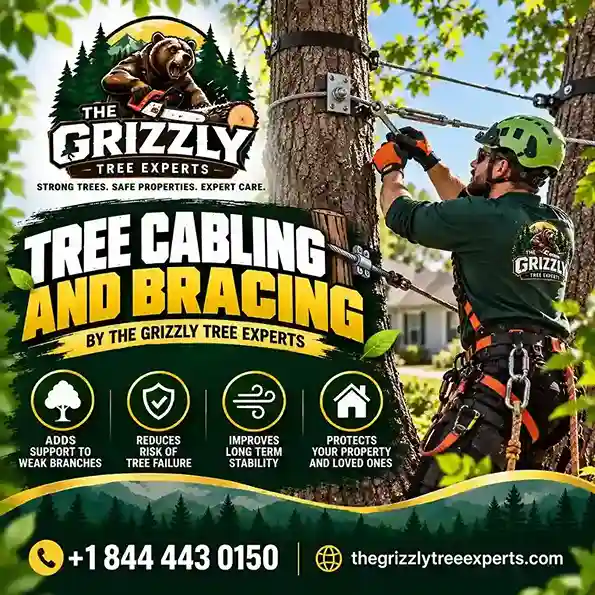
Tree Cabling & Bracing
Support weak unions so valuable trees can be kept safely.
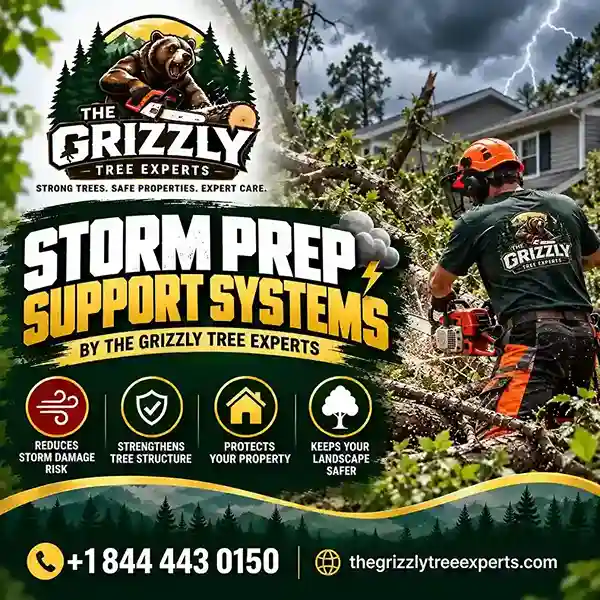
Storm Prep & Support Systems
Prepare trees for storm season before the next system arrives.
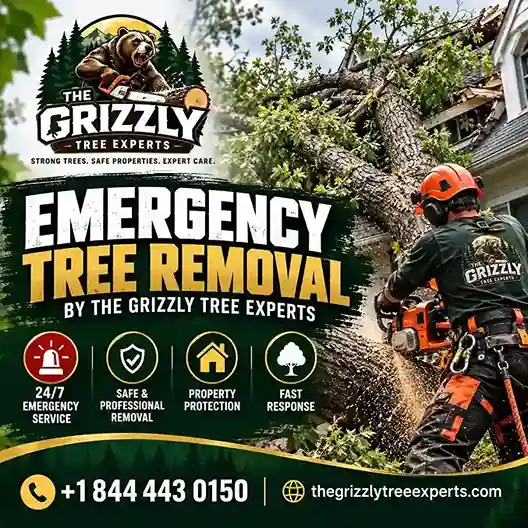
Emergency Tree Removal
24/7 response for fallen, split, or hazardous trees.

Stump Grinding
Finish removals cleanly and reclaim your yard.
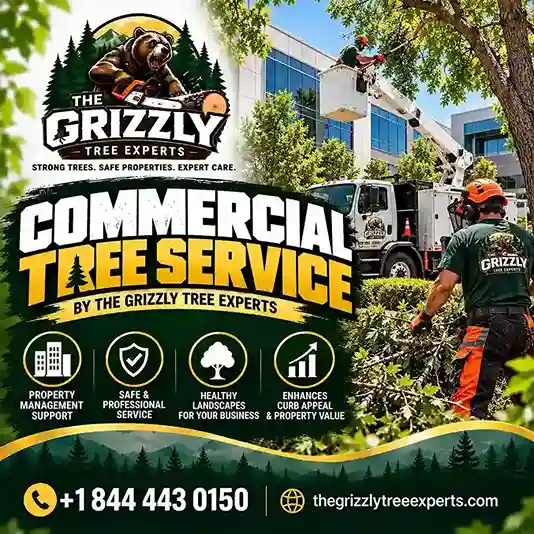
Commercial Tree Service
Ongoing inspections and care for HOAs and business properties.
Common questions
Tree Health Inspection FAQs
Inspect Before the Next Storm
The tree that hurts your house is rarely a surprise to an arborist. Schedule a free estimate now and find out which trees are healthy, which need help, and which are a risk.
Know the Health of Your Trees Today
Serving Woodstock, Canton, Roswell, Alpharetta, Atlanta, Marietta, Savannah, and all of Georgia. Licensed (USDOT 3433756), insured, and ready when you need us.
(844) 443-0150Get a Free Estimate